Why Is It So Bad to Pop a Pimple?
Table Of Content

You probably want to get rid of it quickly and may feel like you know exactly how to do it after having watched hundreds of pimple-popping videos online. Dermatologists get the temptation, but say you should leave your zits alone. Bacterial folliculitis can lead to cellulitis and lymphangitis; subsequent bacteraemia might result in osteomyelitis, septic arthritis or pneumonia.
What is the difference between pityrosporum folliculitis and acne?
Spa pool folliculitis is due to infection with Pseudomonas aeruginosa, which thrives in warm water. Gram-negative folliculitis is a pustular facial eruption also due to infection with Pseudomonas aeruginosa or other similar organisms. When it appears, it usually follows tetracycline treatment of acne but is quite rare. This solution dissolves any non-fungal cells, revealing fungi. However, it seems to be commonly caused by an infection due to bacteria, viruses, parasites (like the Demodex mite), or fungi. Staphylococcus aureus bacteria is the most common cause.
Is folliculitis decalvans contagious?
In some more severe cases, your provider may refer you to a dermatologist for additional tests to make sure your folliculitis isn’t another medical condition. This is a test where a small sample of your skin is removed and then taken to a lab where it’s studied. Certain types of folliculitis are known as hot tub rash and barber's itch.
How can I get rid of scalp folliculitis at home?
They also occur more often in men who shave their beards. Shaving and waxing creates sharper hairs that tend to get trapped in the skin. You can get folliculitis “down there” because of waxing, shaving, or plucking. Wearing clothing that rubs against your skin can also lead to painful pimples in your underwear area.
Types of scalp folliculitis
Talk to your healthcare provider if your symptoms don't resolve on their own. Determining the underlying cause can help you get the most effective treatment. You can also manage your symptoms and prevent future occurrences by being mindful of things like hygiene, hair removal, and clothing choices. Small lifestyle shifts can make a significant difference. Because folliculitis is a skin condition, it is typically diagnosed by a dermatologist—a doctor who specializes in skin, hair, and nail health.
If any other questions occur to you during your visit, don't hesitate to ask. Instead, gently scrub the area with warm water and soap. This can help ease the ingrown hair out of the skin on its own. Folliculitis is a common and usually minor skin problem.
Diagnosis
Talk with your health care provider about the risks of the treatments you're considering. Squeezing an ingrown hair will increase the risk of infection. If an infection is present, squeezing the bump may worsen it.
You can pick up bacteria or fungi at pools or spas that are not well-sanitized. For example, if you shave your head frequently, try taking a few weeks off. If your folliculitis clears up, you may want to change your shaving technique. While it can affect any part of your scalp, it often begins along your hairline. You can search by location, condition, and procedure to find the dermatologist that’s right for you.
Staying Healthy
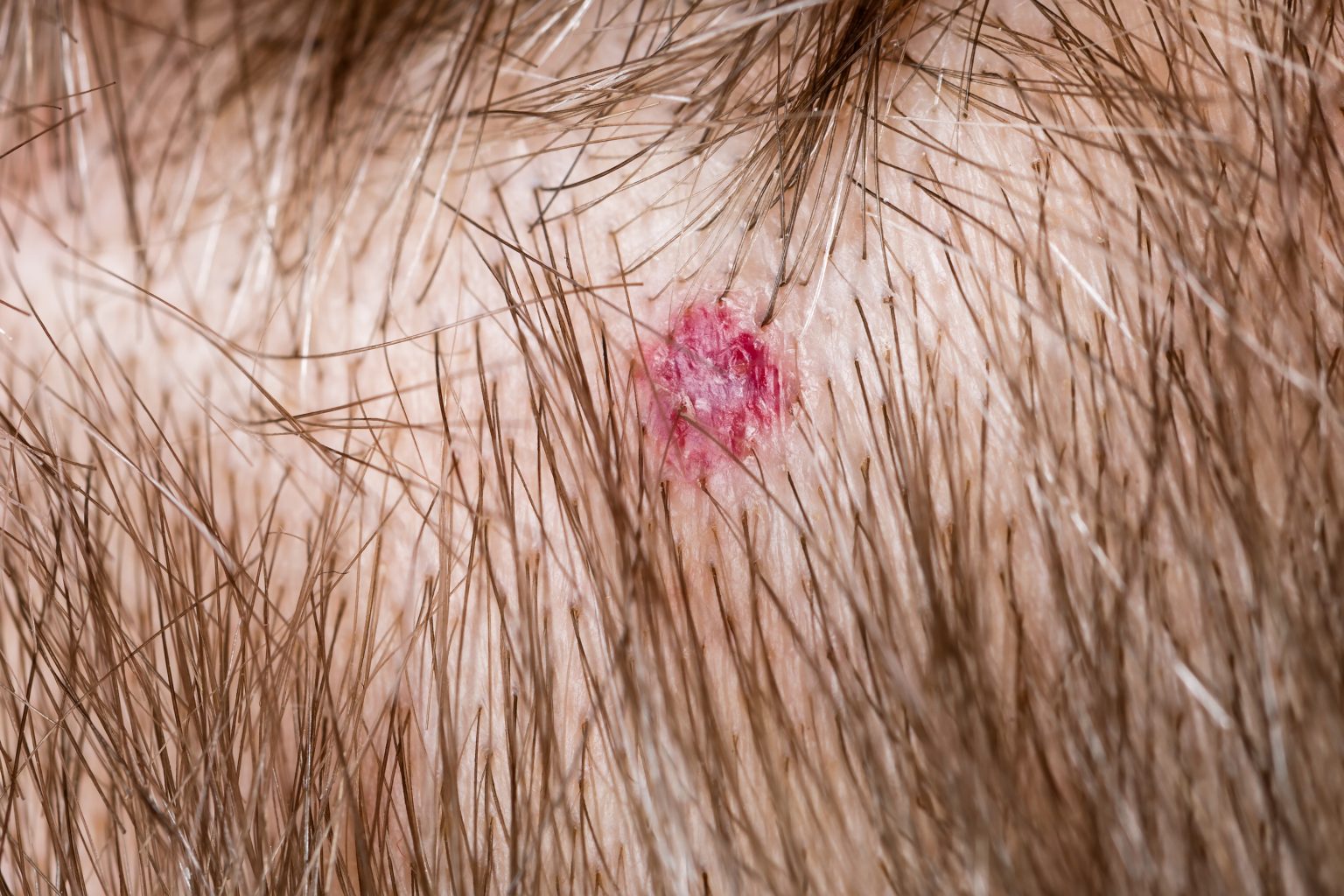
The aim is to reduce pain and encourage a faster recovery time. In the initial stages, folliculitis may look like a rash, a patch of small bumps, or yellow- or white-tipped pimples. Folliculitis patches may appear red or pink on light skin tones. On darker skin tones, it may appear darker than the surrounding skin and may contain red, or purple hues.
The first case report of kerion-type scalp mycosis caused by Aspergillus protuberus - BMC Infectious Diseases - BMC Infectious Diseases
The first case report of kerion-type scalp mycosis caused by Aspergillus protuberus - BMC Infectious Diseases.
Posted: Mon, 10 Jun 2019 07:00:00 GMT [source]
Often, the thing that causes the condition is one of the biggest factors that sets each type of folliculitis apart. Location can also play a role — where you experience this condition on your body can change depending on what type of folliculitis you have. It may be accompanied by mild systemic symptoms including fever. Untreated, it settles within about 10 days without scarring.
Ingrown Hair Removal: How to Get Rid of an Ingrown Hair SELF - Self
Ingrown Hair Removal: How to Get Rid of an Ingrown Hair SELF.
Posted: Fri, 19 Aug 2022 07:00:00 GMT [source]
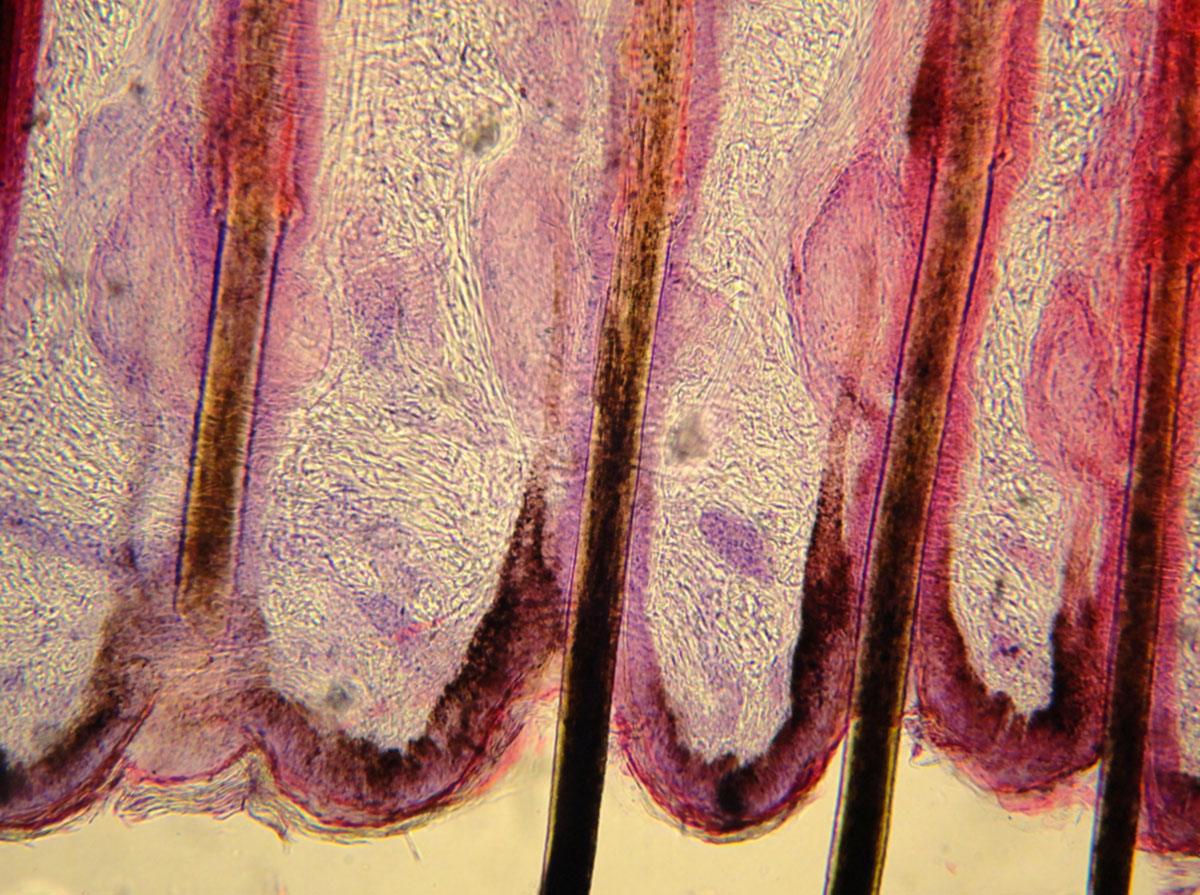
Some hairs are so fine that you may not notice they are there, while others are very prominent. Your hair has a larger purpose than appearance — it acts like an insulator, keeping you warm. The spot where an individual hair enters your skin is called a follicle. The follicle holds the thin hair in place and is home to oil glands. Seek immediate medical care if you experience signs of a spreading infection. These include a sudden increase in redness or pain, fever, chills, and a feeling of being unwell (malaise).
Folliculitis typically resolves on its own and can be treated with topical medications. However, it can lead to complications if you have a weaker immune system. However, there are several OTC and prescription treatments that can help relieve symptoms. People who have a long history of topical antibiotic use can discuss alternative treatment options with their doctors. Doctors can treat severe folliculitis with a prescription-strength antifungal or antibiotic ointment. They can also prescribe a medicated shampoo that relieves itching, and helps kill infectious microbes.
Staphylococcus (staph) infections can occur with an ingrown hair. Staph is typically present in your skin flora, but it can’t cause an infection unless it enters a break in the skin. A doctor will usually assess an ingrown hair infection by looking at the symptoms and asking about your medical history. It develops when shaved hairs curve back into the skin, leading to inflammation.
These include antifungal drugs such as fluconazole (Diflucan®) or ketoconazole. If an infection develops and worsens, you may need medical treatment. You may have a higher risk for ingrown hairs and related infections if your hair is naturally coarse or curly.
Talk to your healthcare provider if you have “acne” that doesn’t go away with treatment – it may actually be a fungal infection. Pityrosporum folliculitis is a common type of dermatitis, a skin condition. It’s hard to know just how common because it doesn’t always require treatment and can be misdiagnosed as acne. Chemical folliculitis can occur when harsh chemicals come into contact with the skin, leading to irritation and inflammation of the hair follicle. This can include chemicals found in hair dyes, lotions, and perfumes.


Comments
Post a Comment